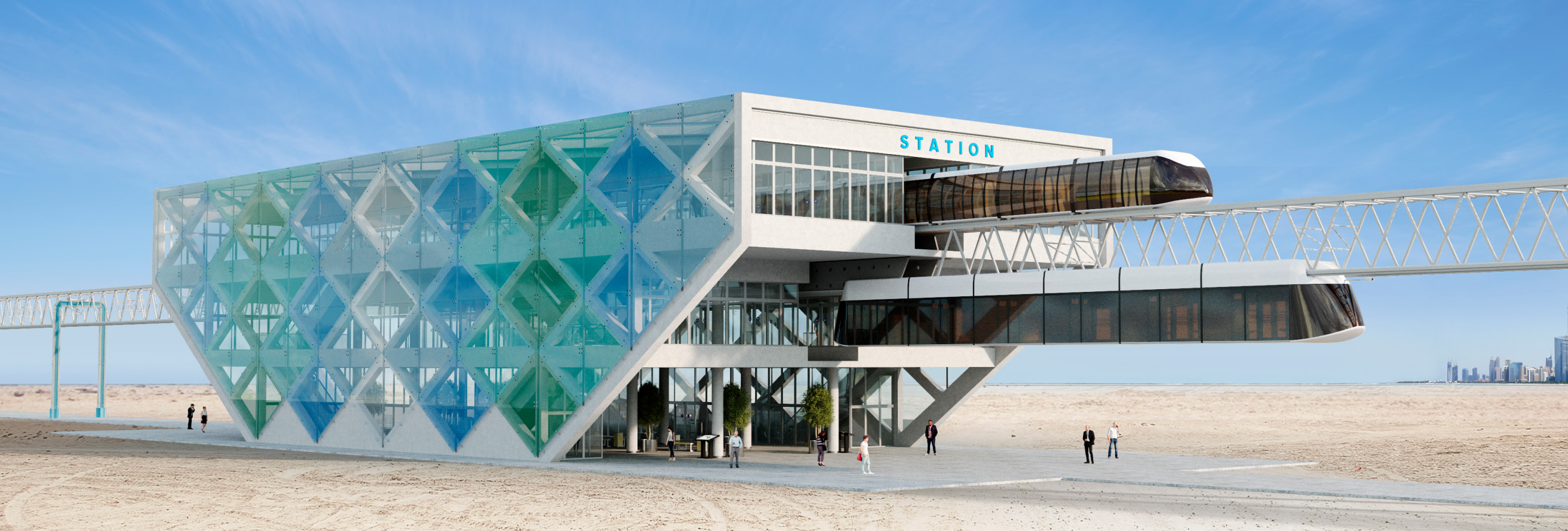
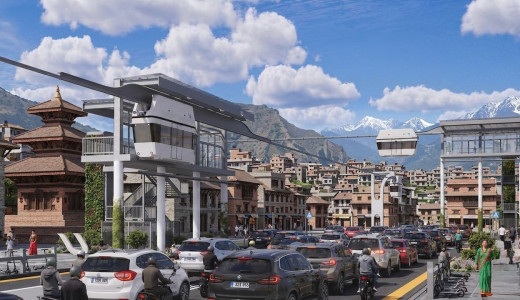
The costs for the construction of a specific Podway transport and infrastructure complex depend on the planned volume of traffic, estimated speeds, the nature of the terrain and climatic conditions, the type of logistics tasks and, accordingly, the design option. At the same time, factors such as the total length of the route are important (the longer it is, the cheaper the subsequent kilometers), the terrain (plain, sea shelf, foothills, mountains), the height of the supports (the higher the path is placed, the more expensive it is), the strength of the underlying soil (sand, rocky soil, swamp), the presence of obstacles (rivers, lakes, gorges), etc.
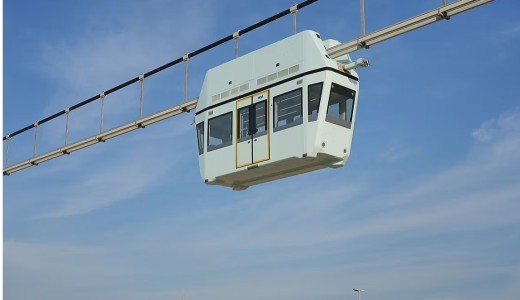
Compared to existing overpass transport solutions (monorail, cable car, rope way, light rail transport, high-speed tram, metro, etc.), the cost of construction and operation of uST complexes is several times lower, primarily due to a decrease in the material consumption of all elements of the complex, as well as due to reducing the construction complexity. In the production of rolling stock, i.e. rail electric vehicles on steel wheels, a small consumption of structural materials is also required. The absence of massive drives, powerful frames, heavy undercarriages and wheelsets significantly reduces the cost of rolling stock production.